

Thailand launched airstrikes against Cambodia on Monday, escalating tensions along their long-disputed border and threatening the fragile peace agreement mediated by former U.S. President Donald Trump just two months ago. Both nations accused each other of initiating attacks in the early morning hours following weeks of mounting tension and the suspension of progress on the ceasefire.
The recent clashes mark a resurgence of a decades-long territorial dispute, which has previously erupted into deadly skirmishes and displaced hundreds of thousands of civilians. Thai officials described the strikes as retaliation for earlier Cambodian attacks, while Cambodia denied any provocation and condemned Thailand’s actions. The renewed violence raises urgent concerns about civilian safety, regional stability, and the durability of diplomatic efforts in Southeast Asia.
Read More: Trump Says Zelensky ‘Isn’t Ready’ to Approve US Peace Plan for Ukraine
Rising Tensions Along the Border
Both Thailand and Cambodia accused each other of initiating attacks along the border in the early hours, following weeks of simmering tension and the suspension of progress on a ceasefire agreement by Thailand. Border skirmishes between the two nations are not new, with decades of intermittent clashes. A particularly deadly five-day conflict in July killed dozens and displaced approximately 200,000 people on both sides.
Thailand’s Prime Minister, Anutin Charnvirakul, emphasized that while the country “never wished to see violence,” it would “not allow the violation of its sovereignty.” He added that future military actions would depend on “the conditions of the situation,” hinting at potential responses to further Cambodian aggression.
Military Response and Civilian Impact
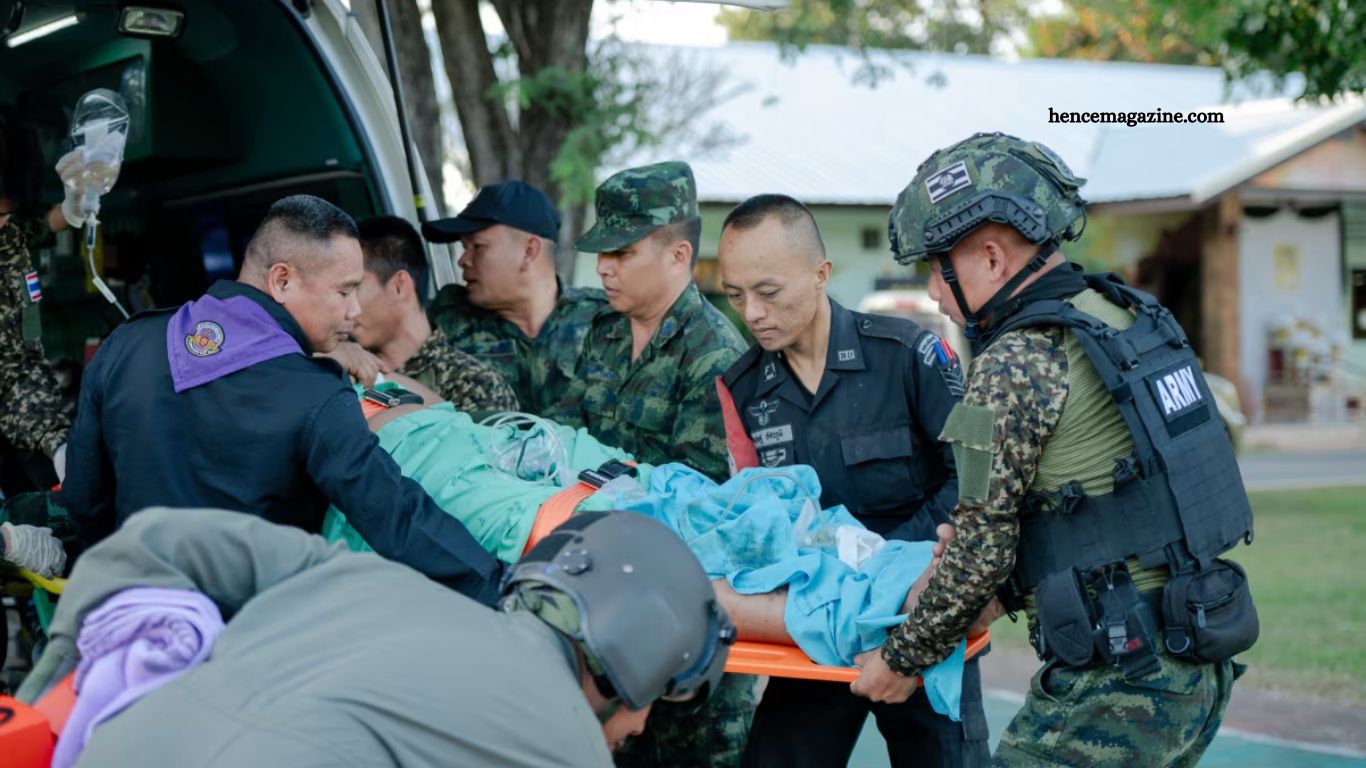
Thailand’s army stated that Monday’s airstrikes targeted Cambodian military infrastructure in retaliation for an earlier attack that killed a Thai soldier and injured seven others. Maj. Gen. Winthai Suvaree, a Thai army spokesperson, accused Cambodia of attacking Thai positions at Anupong Base using artillery and mortars.
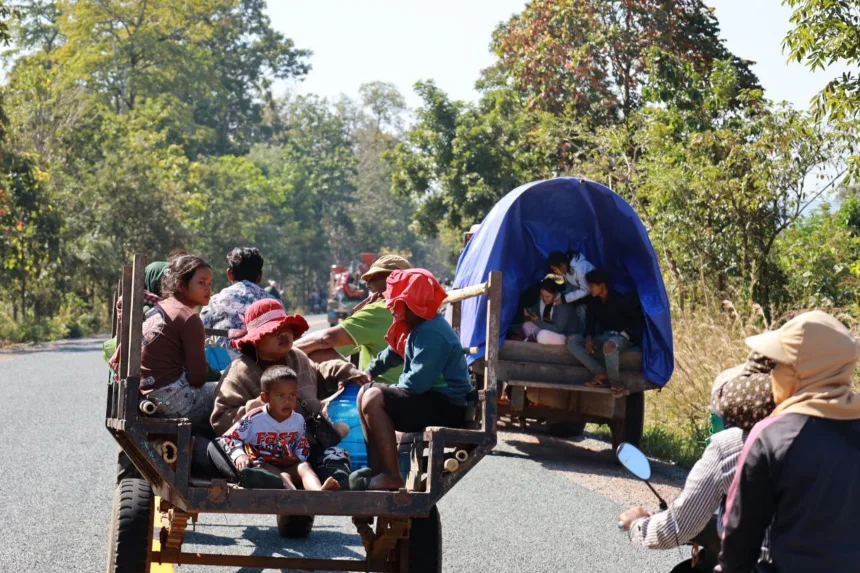
Cambodia, however, rejected Thailand’s claims, calling them “false information,” and accused Thai forces of provoking clashes over several days. The Cambodian Defense Ministry reported at least four civilian deaths in the northern provinces of Oddar Meanchey and Preah Vihear, with tens of thousands displaced.
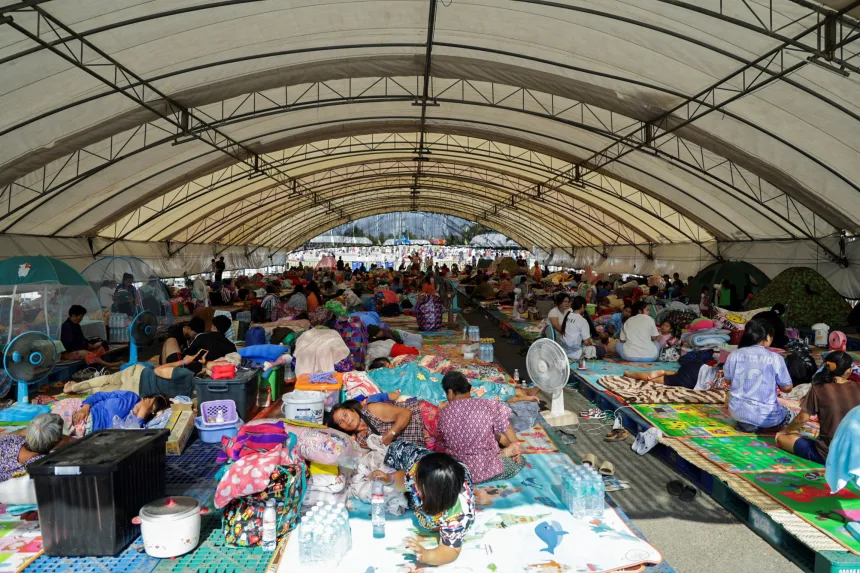
Thailand has evacuated civilians from affected border towns, with nearly 400,000 people moved to temporary shelters equipped with public health services and relief supplies. Fighting has reportedly spread to Thailand’s Trat province, affecting nearly all border provinces.
Diplomatic Fallout and U.S. Involvement
Thailand’s Foreign Minister, Sihasak Phuangketkeow, indicated that while discussions with the U.S. might occur, resolving the crisis was ultimately a matter for Thailand and Cambodia to address directly. Cambodia, meanwhile, reiterated its commitment to the ceasefire.
A senior U.S. administration official emphasized that “President Trump is committed to the continued cessation of violence and expects the governments of Cambodia and Thailand to fully honor their commitments to end this conflict.”
The Trump-Brokered Ceasefire in Jeopardy
The ceasefire originally signed on July 28, and later expanded in Kuala Lumpur in October under the observation of Trump and Malaysian Prime Minister Anwar Ibrahim, was hailed as a major diplomatic success. However, it began to unravel within weeks after a landmine explosion injured several Thai soldiers.
The dispute traces back to a colonial-era map drawn by the French when Cambodia was under colonial rule, which Thailand does not formally recognize.
UN Secretary-General António Guterres and regional leaders, including Prime Minister Ibrahim, called for restraint and a return to dialogue, warning that renewed fighting threatens regional stability and the painstaking diplomatic efforts that followed.
Looking Ahead
As the situation continues to evolve, both nations are facing mounting pressure to de-escalate hostilities. Thailand and Cambodia remain ASEAN members, and the international community is watching closely to see whether diplomatic channels can avert further escalation along the historically contested border.
Frequently Asked Questions
Why did Thailand launch airstrikes on Cambodia?
Thailand stated that the airstrikes were a retaliatory measure following an attack on Thai forces that killed a soldier and injured seven others. Thai officials claim the strikes targeted Cambodian military positions along the disputed border. Cambodia denies the accusations and maintains it has not initiated attacks.
What caused the recent escalation between Thailand and Cambodia?
The escalation stems from long-standing territorial disputes along a 500-mile (800 km) border. Tensions increased after weeks of provocation, a previous landmine incident injuring Thai soldiers, and the suspension of progress on the ceasefire agreement signed in July and expanded in October.
What is the Trump-brokered peace deal?
In July 2025, former U.S. President Donald Trump mediated a ceasefire between Thailand and Cambodia after deadly border clashes. The agreement was later expanded in October during a ceremony in Kuala Lumpur, witnessed by Trump and Malaysian Prime Minister Anwar Ibrahim, aiming to stabilize the border and prevent further conflict.
How many civilians have been affected?
Tens of thousands of civilians have been displaced on both sides of the border. Thailand has evacuated nearly 400,000 people to temporary shelters with public health services and relief supplies. At least four Cambodian civilians have been reported killed, with several others injured.
Are other countries involved in resolving the conflict?
The United States, through Trump’s mediation, played a key role in the original ceasefire. Malaysia, as a regional partner and host of the October declaration, has called for restraint. The United Nations has urged both countries to de-escalate and resume dialogue under the existing ceasefire framework.
What triggered the breakdown of the ceasefire?
The ceasefire began to unravel after landmine explosions injured Thai soldiers and allegations of repeated border provocations. Both nations accuse each other of violating the agreement, complicating efforts to maintain peace.
Conclusion
The renewed clashes between Thailand and Cambodia underscore the fragility of peace in regions with long-standing territorial disputes. Despite the Trump-brokered ceasefire and international diplomatic efforts, mistrust, historical grievances, and ongoing provocations have reignited violence along the border. Tens of thousands of civilians have been displaced, and both nations face mounting pressure to prevent further escalation.
