

The Nordic countries endure some of the longest, darkest winters in the world. With minimal daylight and consistently freezing temperatures, residents of northern Europe, including areas above the Arctic Circle, have developed strategies to manage the mental and physical challenges of the winter months, which can stretch from October through April.
The winter solstice, occurring on December 21, marks the shortest day and longest night of the year, yet the struggle with darkness continues well beyond that date. Experts from Norway, Sweden, and Finland emphasize proactive approaches to counter the winter blues. Their guidance focuses on seeking both literal and figurative light, offering insights into how communities maintain wellbeing and resilience during the most shadowed months of the year.
Read More: Travel Ahead: Explore 2026’s Top Destinations With Hilton’s Latest Luxury & Lifestyle Hotels
Maintaining Sleep and Social Habits Is Crucial
Dr. Timo Partonen, research professor at the Finnish Institute for Health and Welfare, explains that the long, dark winter disrupts the body’s circadian rhythm. Limited daylight prevents the internal clock from properly resetting, which can interfere with sleep. Many people may sleep longer during winter but still wake unrefreshed, remaining fatigued throughout the day. Partonen recommends using a dawn simulator, or sunrise alarm clock, to gradually illuminate the bedroom and ease the body awake.
Winter can also increase social withdrawal. Irritability rises, and conflicts with friends become more common. Maintaining connections is essential, as symptoms rarely improve in isolation. Regular exercise is another critical tool; inviting a friend along for a workout can boost motivation, support relationships, and help counter winter weight gain, which often ranges from 2 to 5 kilograms annually due to carbohydrate cravings, particularly in the evenings.
Light Therapy Can Ease Seasonal Symptoms
Millions worldwide experience seasonal depression, also known as seasonal affective disorder (SAD). Symptoms typically emerge in the fall and ease in spring or summer. A milder form, subsyndromal SAD, is also recognized, and a less-studied summer variant exists.
Research shows that specialized retinal cells convert blue light from the sun into neural signals that influence mood and alertness. Sunlight exposure activates the brain’s alertness centers, helping people feel more awake and uplifted. Kathryn Roecklein, a researcher at the University of Pittsburgh, found that individuals with SAD are less sensitive to blue light, particularly in winter, which may contribute to seasonal depression.
For severe cases, clinical support and antidepressants may be necessary. Christian Benedict, pharmacology professor at Uppsala University in Sweden, recommends light therapy for both SAD and milder winter blues. Morning light therapy, using devices about 20 times brighter than typical indoor lighting, helps regulate circadian rhythms and boosts serotonin levels.
Research suggests using a 10,000-lux light for 30 minutes each morning. Costs range from $70 to $400, and insurance may cover part of the expense for diagnosed cases. Combining a dawn simulator with a light therapy device before noon can enhance benefits. Yale University and the nonprofit Center for Environmental Therapeutics provide guidance on selecting effective devices.
Prioritizing a Positive Outlook as a Survival Strategy
Embracing winter rather than dreading it is key, according to Ida Solhaug, associate professor of psychology at the University of Tromsø, the world’s northernmost university. Cultivating a positive outlook and appreciating the changing seasons is a hallmark of Norwegian thinking and can make a significant difference when daylight is scarce for months.
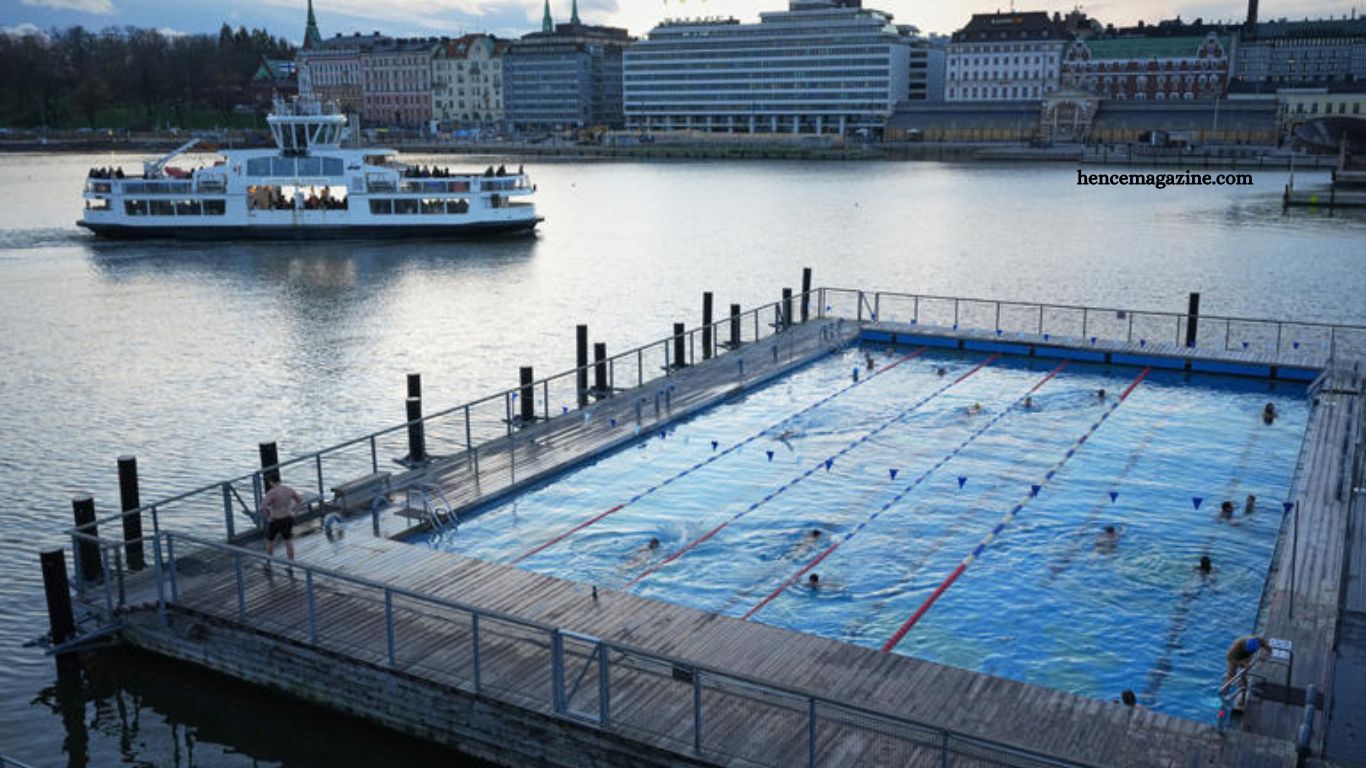
Solhaug emphasizes balancing indoor and outdoor activities. Inside, embrace hygge—the Danish practice of coziness—with blankets, movies, or warm drinks. But avoid hibernation: even a brief walk in fresh air or a traditional Swedish fika—a coffee break with friends—can lift spirits. Many Nordics take it further with cold plunges. Solhaug herself dives into the frigid waters off Tromsø, 350 kilometers north of the Arctic Circle, weekly, describing it as revitalizing.
“Challenge yourself to look for light in the darkness,” she advises. Nordic culture reinforces the idea that there’s no bad weather, only inadequate clothing. Finland’s President Alexander Stubb echoes this approach: alternating ice baths with sauna sessions, followed by a shower, can help manage the winter blues while staying resilient and energized.
Frequently Asked Questions
What is SAD?
A seasonal depression that occurs in fall and winter, causing low mood, fatigue, and irritability.
How does winter affect sleep?
Limited daylight disrupts circadian rhythms, making sleep less restorative. Dawn simulators can help.
Does light therapy work?
Yes. Morning sessions with a 10,000-lux light for 30 minutes boost mood and regulate circadian rhythm.
What lifestyle habits help?
Stay socially connected, exercise regularly, enjoy indoor coziness (hygge), and spend time outside.
Are cold plunges effective?
Some Nordics use ice baths and saunas to boost energy and resilience, though they’re optional.
How important is mindset?
Very. Embracing winter and seeking light in darkness supports mental wellbeing.
Conclusion
Northern winters are long, dark, and challenging, but Nordic residents show that it is possible to thrive even in the coldest, dimmest months. By prioritizing sleep, maintaining social connections, embracing physical activity, and using tools like light therapy or dawn simulators, people can protect their mental and physical well-being.
