

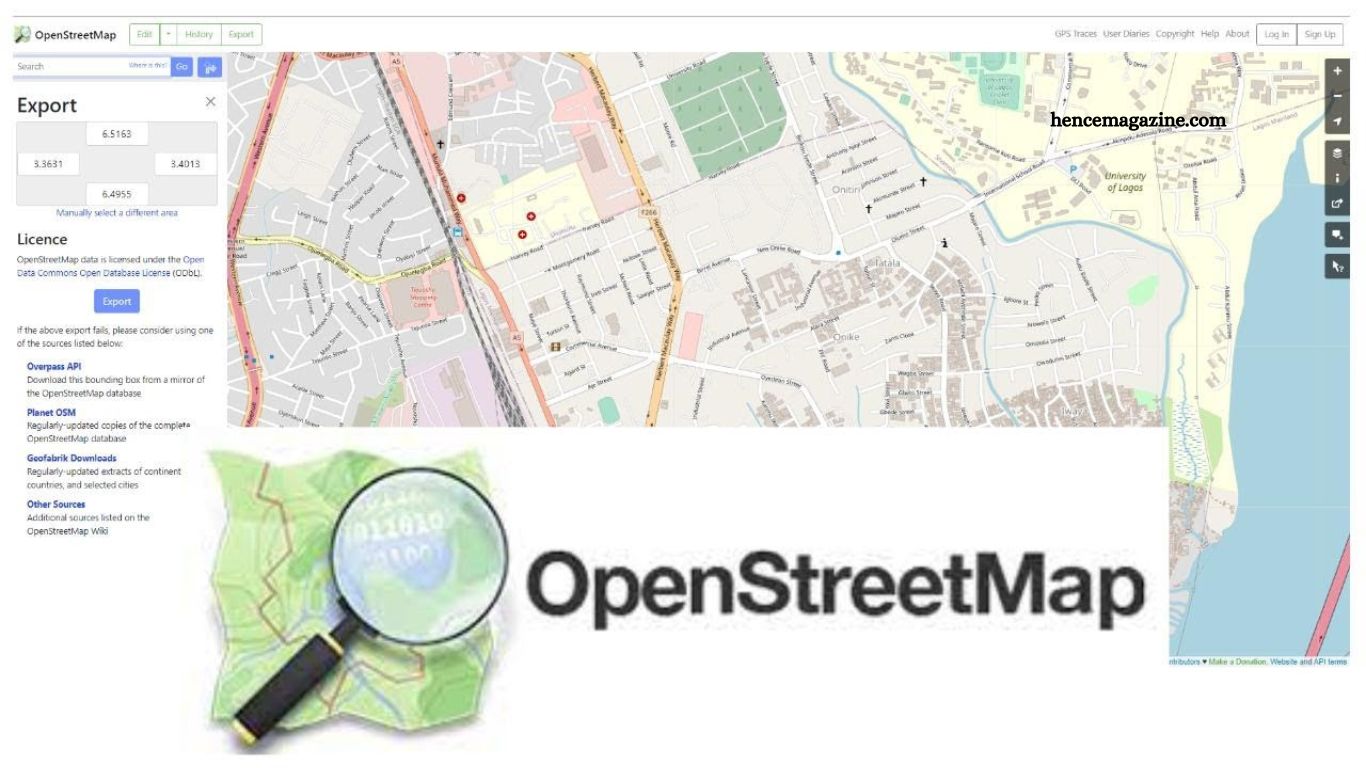
OpenStreetMap (OSM) has transformed the way developers access geographic data. With the growing need for precise, interactive maps, OSMVER OpenStreetMap Map Viewer emerges as a powerful tool for developers seeking fast,
Efficient and customizable map solutions. This article explores its features, benefits, and practical applications.
Read More: Ped Manga Online Manga Reading Platform Updated Daily
Key Features of OSMVER
OSMVER delivers a seamless map experience with features tailored for developers:
- High-Performance Map Rendering
OSMVER ensures smooth map rendering even with large datasets. Developers can integrate detailed geographic information without compromising performance. - Customizable Layers
Developers can manipulate map layers, control visibility, and overlay custom data. This flexibility allows unique map visualizations for apps, websites, and analytics. - Interactive Tools
Users can zoom, pan, and click on map elements for detailed data access. OSMVER supports advanced interactions like markers, popups, and route visualization. - API Support
OSMVER provides robust APIs that allow seamless integration with web and mobile applications. Developers can fetch, filter, and display OSM data dynamically. - Offline Functionality
Offline map access ensures that applications continue functioning without an internet connection. This feature is crucial for fieldwork, logistics, and travel applications.
Benefits for Developers
OSMVER enhances developer productivity while providing a rich user experience:
- Efficiency: Easy integration reduces development time.
- Scalability: Handles both small projects and enterprise-level mapping solutions.
- Flexibility: Supports multiple frameworks and programming languages.
- Accuracy: Leverages OpenStreetMap’s constantly updated database for reliable geographic data.
Practical Use Cases
OSMVER OpenStreetMap Map Viewer suits multiple industries:
- Logistics and Delivery Apps: Optimize routes, track shipments, and visualize coverage areas.
- Travel and Tourism: Create interactive city guides and location-based experiences.
- Urban Planning: Analyze spatial data for planning, zoning, and infrastructure projects.
- Data Analytics: Combine geographic and statistical data for actionable insights.
Getting Started with OSMVER
Implementing OSMVER is straightforward. Developers can access documentation and sample projects on GitHub or the official site.
The viewer supports modern web frameworks, including React, Vue, and Angular, and can be integrated into mobile applications using standard APIs.
Frequently Asked Questions
What is OSMVER?
OSMVER is an OpenStreetMap-based map viewer designed for developers. It allows seamless integration of interactive maps, custom layers, and geographic data into web and mobile applications.
Who can use OSMVER?
Developers, data analysts, urban planners, and companies needing accurate, customizable maps can use OSMVER. It works for small projects, enterprise applications, and offline solutions.
What platforms does OSMVER support?
OSMVER supports modern web frameworks like React, Vue, Angular, and mobile platforms through standard APIs. It also works offline for field applications.
Can I customize maps in OSMVER?
Yes, OSMVER allows full customization. Developers can add markers, overlays, routes, and layers, making it easy to create tailored maps for apps and websites.
Does OSMVER support offline maps?
Yes, offline functionality ensures maps remain accessible without internet access. This feature is essential for logistics, travel, and remote work applications.
How do I integrate OSMVER with my application?
Developers can access OSMVER APIs and documentation to embed interactive maps, fetch data, and customize layers. Sample projects are available for faster implementation.
Conclusion
OSMVER OpenStreetMap Map Viewer offers developers a reliable, high-performance, and flexible solution for interactive map integration. Its combination of customizable layers, interactive tools, and offline functionality makes it a must-have for projects requiring accurate and dynamic geographic data.
