

Japan is confronting a mounting dementia crisis. Last year, over 18,000 older adults with dementia went missing, and nearly 500 were later found dead. Police report that such cases have doubled since 2012.
The country’s demographic profile intensifies the challenge: nearly 30% of Japan’s population is aged 65 or older, the second-highest proportion in the world after Monaco, according to the World Bank. A shrinking workforce and strict limits on foreign caregivers further strain the system.
The Japanese government has identified dementia as a top policy priority. The Health Ministry projects that dementia-related healthcare and social care costs will rise from nine trillion yen in 2025 to 14 trillion yen ($90bn) by 2030. In response, recent strategies have emphasized technological solutions to alleviate pressure on caregivers and the healthcare system.
Read More: Netflix to Acquire Warner Bros. in $83 Billion Deal, Creating Streaming Powerhouse
Tracking and Safety Technology
Across Japan, GPS-based systems are increasingly deployed to prevent disappearances. Some regions provide wearable GPS devices that alert authorities when an individual leaves a designated area. In certain towns, convenience-store workers receive real-time notifications, forming a community safety network capable of locating missing individuals within hours.
AI and Early Detection
Technology is also advancing early detection of dementia. Fujitsu and Acer Medical have developed aiGait, an AI system that analyzes walking patterns and posture to identify early symptoms, such as shuffling, slower turns, or difficulty standing. The system generates skeletal outlines that clinicians can review during routine check-ups.
“Early detection of age-related diseases is key,” explains Hidenori Fujiwara of Fujitsu. “Motion-capture data allows doctors to intervene earlier and help people remain active longer.”
Robot Caregivers
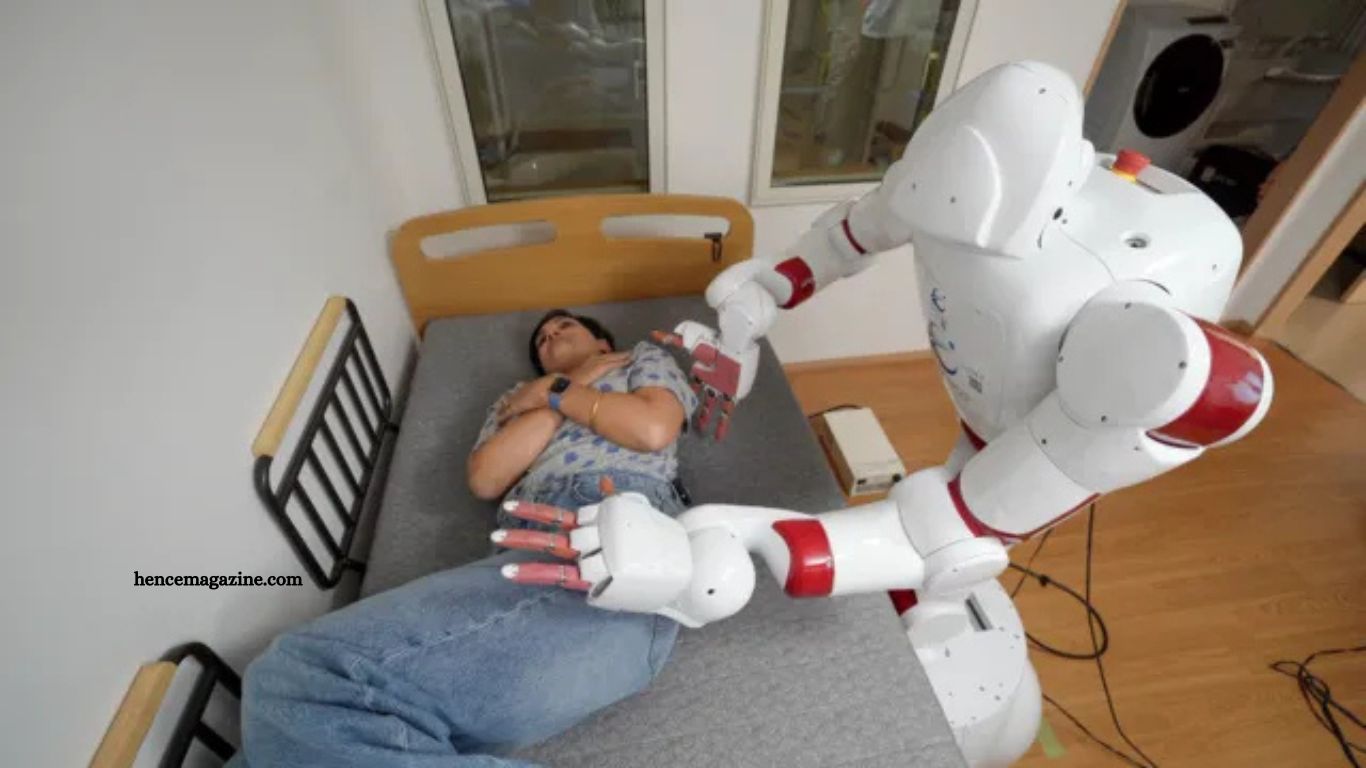
At Waseda University, researchers are developing AIREC, a 150kg humanoid robot designed to assist with daily tasks such as putting on socks, cooking, and folding laundry. Future versions aim to change adult nappies and prevent bedsores.
Existing care robots already support residents in care homes by playing music, guiding stretching exercises, and monitoring patients at night through sensors placed under mattresses. These tools reduce the need for constant human supervision.
Assistant Professor Tamon Miyake notes that fully interactive humanoid robots are still at least five years from safe deployment, due to the need for full-body sensing and adaptive understanding of individual patients.
Emotional Support Robots
Robots are not limited to physical care. Poketomo, a pocket-sized companion, reminds users to take medication, provides weather updates, and offers conversation for those living alone. Sharp’s development manager, Miho Kagei, emphasizes that the aim is to address social challenges through technology.
“Robots should supplement, not substitute, human caregivers,” says Mr. Miyake. “Their main role is to assist both caregivers and patients.”
The Role of Community and Human Connection
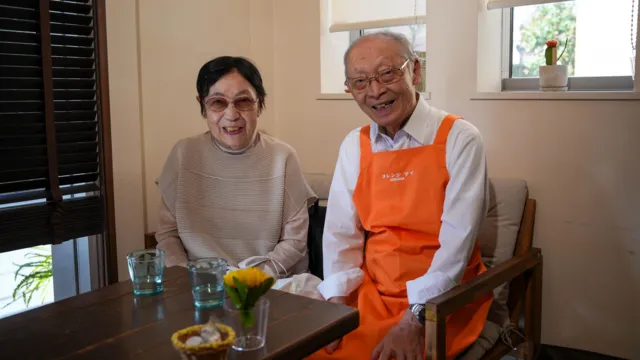
Technology provides tools, but social engagement remains crucial. Tokyo’s Restaurant of Mistaken Orders, founded by Akiko Kanna, exemplifies the importance of community-based support. The café employs people living with dementia, allowing them to remain active and purposeful.

Toshio Morita, one of the servers, uses flowers to remember orders and enjoys interacting with customers. For his wife, the café offers respite and reassurance, highlighting the value of meaningful engagement alongside technological solutions.
“Everyone’s different—that’s what makes it fun,” says Mr. Morita.
Kanna’s initiative underscores a critical lesson: while technology can enhance care, human connection and social participation are indispensable in supporting people living with dementia.
Frequently Asked Questions
How serious is Japan’s dementia problem?
Japan faces a growing dementia crisis. Last year, over 18,000 older adults with dementia went missing, and nearly 500 were later found dead. With almost 30% of the population aged 65 or older, the issue is compounded by a shrinking workforce and limited foreign caregivers.
What is the government doing to address dementia?
The Japanese government has identified dementia as a top policy priority. It projects dementia-related healthcare and social care costs will reach 14 trillion yen ($90bn) by 2030. Strategies increasingly focus on integrating technology to support caregivers and patients.
How is technology being used to track people with dementia?
GPS-based systems and wearable devices alert authorities if a person leaves a designated area. In some towns, convenience-store staff receive real-time notifications to help locate missing individuals quickly, creating a community safety network.
Are there technologies for early detection of dementia?
Yes. Systems like Fujitsu and Acer Medical’s aiGait use AI to analyze walking patterns and posture, identifying early signs such as shuffling, slower turns, or difficulty standing. This allows clinicians to intervene sooner and help maintain patients’ independence.
What role do robots play in dementia care?
Humanoid robots like AIREC assist with daily tasks, such as dressing, cooking, and household chores, while other robots monitor patients’ sleep or guide exercises. Smaller robots like Poketomo provide reminders, conversation, and social interaction to reduce isolation.
Can robots replace human caregivers?
No. Experts emphasize that robots supplement rather than replace human care. Their primary role is to support both caregivers and patients, handling routine or physically demanding tasks while preserving human interaction.
Conclusion
Japan’s dementia crisis highlights the urgent need for innovative solutions. Technology—from GPS tracking and AI-driven early detection to humanoid and companion robots—offers tools to support patients and ease the burden on caregivers. However, these innovations cannot replace the human connection that underpins care. Community initiatives, meaningful engagement, and social interaction remain essential to sustaining the well-being of people living with dementia.
