

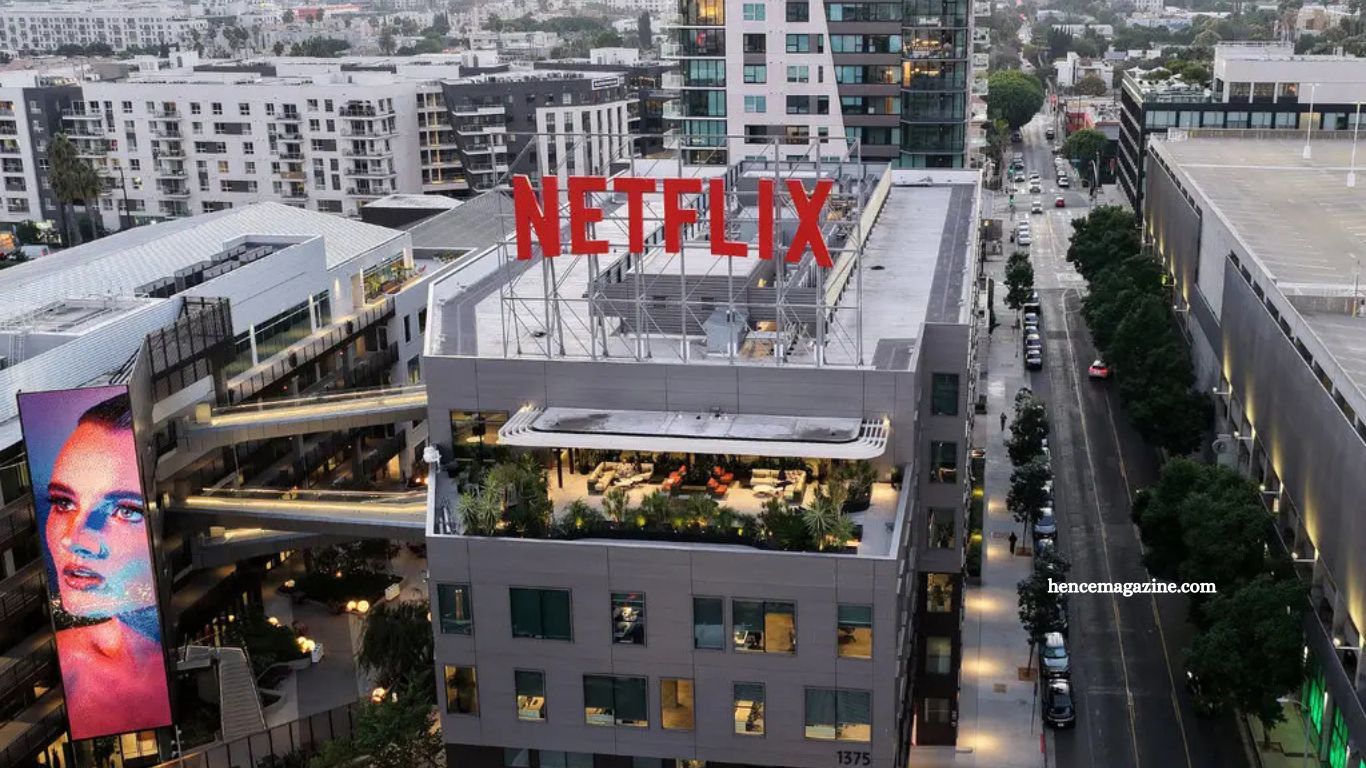
Netflix announced plans on Friday to acquire Warner Bros. Discovery’s film and television studios, along with its HBO Max streaming service, in a transformative $82.7 billion cash-and-stock deal. The acquisition positions Netflix to become an even more dominant force in the global media landscape.
The deal is expected to close after Warner Bros. Discovery spins off its cable unit, including channels such as CNN, TNT, and Discovery, which is anticipated by the third quarter of 2026. The transaction would combine two of Hollywood’s most influential content producers, significantly expanding Netflix’s reach and influence.
Expanding the Streaming Empire
Netflix, already the world’s largest paid streaming service with over 300 million subscribers, would gain a vast library of films, television series, and premium content. By integrating Warner Bros. Discovery’s assets, the company strengthens its negotiating power with theaters, production talent, and entertainment-industry unions, while intensifying competition for smaller studios.
This acquisition marks a major milestone in the tech-driven reshaping of Hollywood. Unlike prior tech entrants such as Amazon, which acquired Metro-Goldwyn-Mayer in 2022 for $8.5 billion, Netflix has historically grown organically rather than through large-scale acquisitions.
Strategic Vision
Ted Sarandos, Netflix’s co-CEO, emphasized the strategic rationale for the acquisition: “In a world with so many choices, we must keep innovating and investing in stories that matter most to audiences. This deal ensures Netflix continues to evolve and deliver compelling content for the long term.”
Netflix’s bid notably includes a commitment to continue theatrical releases of Warner Bros. films—a significant shift for a company historically focused on home viewing. Greg Peters, Netflix’s co-CEO, acknowledged that while the company is new to deals of this magnitude, it has a history of adapting to industry change, from DVDs to streaming and from U.S.-centric to global operations.
Competitive Bidding and Industry Reactions

The acquisition follows a competitive bidding process involving Netflix, Comcast, and Paramount. Netflix’s bid relied largely on cash, while Paramount and Comcast sought broader acquisitions, including Warner Bros.’ traditional television channels.
The announcement has elicited strong reactions from industry stakeholders. A group of anonymous film producers expressed concerns to Congress, citing potential monopolistic control over the streaming market and the risk to theatrical exhibition.
Regulatory Hurdles
The deal requires regulatory approval in the U.S. and Europe. Federal antitrust scrutiny will assess whether the combination of Netflix and Warner Bros. assets consolidates excessive market power, particularly as tech giants like Apple and Amazon increasingly compete with legacy media companies.
If the acquisition fails to receive approval, Netflix faces a $5.8 billion break fee, with additional contractual protections in place regarding competing bids from Paramount and Comcast.
The Value of Warner Bros.
Warner Bros. represents a century-long Hollywood legacy. Its film library includes classics such as Casablanca, The Maltese Falcon, Bonnie and Clyde, and The Shining, alongside MGM acquisitions like The Wizard of Oz and Gone With the Wind. Recent box-office hits, including Ryan Coogler’s Sinners and Paul Thomas Anderson’s One Battle After Another, demonstrate the studio’s ongoing relevance.
HBO, a premier television operation under Warner Bros., continues to dominate with hits like Euphoria, The Gilded Age, and The White Lotus. Warner Bros. also controls iconic franchises and shows, including Friends, Game of Thrones, and Bugs Bunny. The acquisition provides Netflix with enduring, multigenerational content that drives sustained viewer engagement.
A Transformative Shift
By absorbing Warner Bros., Netflix solidifies its position as a global streaming powerhouse. The merger combines Netflix’s innovative approach with Warner Bros.’ deep content portfolio, signaling a new era in entertainment where technology and legacy Hollywood intersect.
Frequently Asked Questions
What is happening?
Netflix plans to acquire Warner Bros. Discovery’s film and television studios, along with the HBO Max streaming service, in a cash-and-stock deal valued at $82.7 billion, including debt. The acquisition will expand Netflix’s content library and global reach.
When will the deal close?
The deal is expected to finalize after Warner Bros. Discovery spins off its cable unit, including CNN, TNT, and Discovery, likely by the third quarter of 2026.
How will this affect Netflix’s subscribers?
Subscribers can expect access to a wider range of films, series, and premium content, including popular Warner Bros. and HBO franchises. The company has also committed to continuing theatrical releases for Warner Bros. movies.
What was the competitive landscape for this deal?
Netflix faced competition from Comcast and Paramount, which also bid for Warner Bros. Discovery’s assets. Netflix’s offer primarily relied on cash, while rivals considered broader acquisitions, including cable networks.
Are there regulatory hurdles?
Yes. The deal requires approval from U.S. and European antitrust regulators. Authorities will evaluate whether the merger could create monopolistic control in the media and streaming markets.
What if the deal does not go through?
If the acquisition fails due to regulatory or other reasons, Netflix would pay Warner Bros. Discovery a $5.8 billion break fee. Certain provisions also govern responses to competing bids.
Conclusion
Netflix’s $83 billion acquisition of Warner Bros. Discovery represents a landmark moment in the entertainment industry, merging a tech-driven streaming leader with one of Hollywood’s most iconic content creators. The deal not only expands Netflix’s library with classic films, premium television, and enduring franchises but also reinforces its global influence in an increasingly competitive media landscape.
