

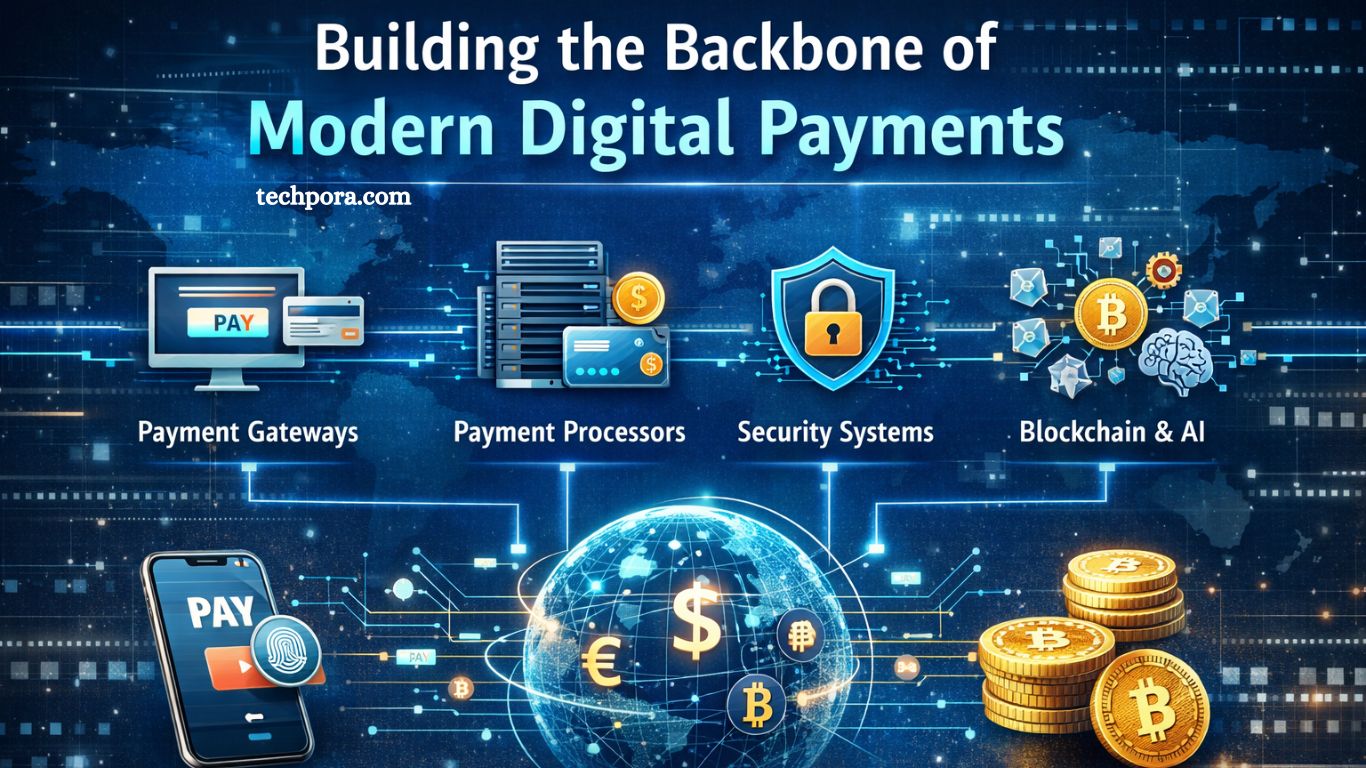
Digital payments have transformed the way businesses and consumers exchange money, enabling faster, safer, and more convenient transactions worldwide. Behind every seamless online purchase or mobile transfer lies a sophisticated infrastructure of networks, protocols, and security systems that ensure reliability and trust. From payment gateways and processors to fraud detection tools and blockchain technology, each component plays a critical role in supporting the digital economy.
Understanding this infrastructure not only highlights the complexity of modern payment systems but also emphasizes the innovations driving financial inclusion and efficiency. As digital payments continue to evolve, building and maintaining a robust, scalable, and secure backbone remains essential for meeting the demands of a global, interconnected marketplace.
The Evolution of Digital Payments
Digital payments have evolved significantly over the past two decades. What began as simple credit card processing has evolved into a multi-layered ecosystem encompassing mobile wallets, peer-to-peer transfers, contactless payments, and cryptocurrency transactions. This evolution has been driven by technological advancements, changing consumer behavior, and the growing demand for seamless, frictionless financial experiences.
Modern payment systems now offer real-time processing, global reach, and robust security measures that protect both businesses and consumers. The speed and convenience of these systems have made cashless transactions the preferred choice worldwide.
Read More: KolkataFatafatLive Review: Performance, Design, and Content
Core Components of Digital Payment Infrastructure
A modern digital payment system relies on several interconnected components, each playing a critical role in ensuring efficiency, reliability, and security.
Payment Gateways
Payment gateways act as the bridge between merchants and financial institutions. They securely transmit transaction data, authorize payments, and ensure sensitive information, such as credit card details, remains protected. Without gateways, online commerce would be cumbersome and prone to errors or fraud.
Payment Processors
Payment processors handle the behind-the-scenes mechanics of payment authorization and settlement. They communicate with banks, credit card networks, and merchants to ensure funds move accurately and efficiently from the payer to the payee.
Banks and Financial Institutions
Banks remain central to digital payment systems, providing the accounts and liquidity needed to process transactions. They collaborate with processors and gateways to maintain trust, security, and regulatory compliance.
Security Systems
Fraud prevention and data protection are critical in digital payments. Modern systems employ encryption, tokenization, two-factor authentication, and AI-based fraud detection to safeguard transactions and sensitive financial data.
Emerging Technologies
Blockchain, distributed ledger technology, and AI are increasingly shaping the future of payments. Blockchain enables secure, transparent transactions without intermediaries, while AI enhances fraud detection and optimizes transaction routing.
How Digital Payments Work: A Step-by-Step Overview
Understanding the workflow of a digital payment can clarify why robust infrastructure is essential:
- Initiation: The user enters payment details on a merchant platform or mobile wallet.
- Authorization: The payment gateway securely transmits the transaction to the processor for verification.
- Verification: The processor communicates with the bank or card network to confirm the funds and the ccard’sauthenticity.
- Settlement: Once authorized, funds are transferred from the ppayer’saccount to the merchant.
- Confirmation: Both parties receive notifications confirming the transaction.
Each step relies on high-speed networks, secure encryption protocols, and redundancy systems to prevent downtime or errors.
Challenges in Building a Reliable Payment Infrastructure
Despite technological advancements, building and maintaining modern payment systems come with challenges:
Security Threats
Cyberattacks, phishing, and data breaches remain major concerns. Continuous investment in security technologies and protocols is necessary to protect users and maintain trust.
Regulatory Compliance
Digital payment systems must comply with local and international regulations, including anti-money laundering (AML) and Know Your Customer (KYC) standards. Navigating these rules requires constant updates and coordination with regulatory bodies.
Scalability
As user demand grows, payment systems must handle increased transaction volumes without delays or failures. This requires scalable architecture and load-balancing strategies.
Interoperability
With countless payment methods, wallets, and networks, ensuring interoperability is crucial. Systems must work seamlessly across different platforms, currencies, and devices.
Innovations Driving the Future of Digital Payments
The digital payment landscape is evolving rapidly, with several innovations shaping its future:
- Mobile Wallets and Contactless Payments: Smartphones and wearable devices are making payments faster and more convenient.
- Cryptocurrency and Stablecoins: Blockchain-based currencies are providing alternatives to traditional banking systems.
- Artificial Intelligence: AI optimizes fraud detection, transaction routing, and personalized financial services.
- Open Banking APIs: Open banking allows third-party developers to build innovative payment solutions that integrate seamlessly with user accounts.
These technologies are not only enhancing user experience but also creating opportunities for financial inclusion in underserved regions.
The Role of Digital Payments in the Global Economy
Modern digital payments are more than just convenient; they are an economic driver. They enable global commerce, streamline supply chains, and reduce reliance on cash, which can be costly and insecure. Businesses adopting digital payments gain access to faster revenue cycles, better analytics, and expanded customer reach. For consumers, these systems provide financial flexibility, transparency, and security, empowering them to transact anytime, anywhere.
Best Practices for Businesses Implementing Digital Payment Systems
Businesses looking to integrate or improve digital payment systems should consider the following:
- Choose Reliable Payment Partners: Partner with established gateways and processors to ensure security and uptime.
- Prioritize Security: Implement encryption, tokenization, and multi-factor authentication to protect customer data.
- Ensure Compliance: Stay up to date on local and global regulations to avoid legal and financial penalties.
- Optimize User Experience: Simplify checkout processes and support multiple payment methods to increase conversions.
- Monitor and Improve: Use analytics to track transactions, detect fraud, and optimize payment workflows.
Frequently Asked Questions
What are digital payments?
Digital payments are electronic transactions that allow money to move between individuals, businesses, or banks without using cash, including online transfers, mobile wallets, and card payments.
How do payment gateways work?
Payment gateways securely transmit transaction data from customers to banks or processors, authorizing payments while keeping sensitive information safe.
What role do banks play in digital payments?
Banks provide the accounts, liquidity, and regulatory oversight necessary for transactions, working with processors and gateways to ensure smooth and secure fund transfers.
How is security maintained in digital payments?
Security is ensured through encryption, tokenization, two-factor authentication, and AI-driven fraud detection to protect transactions and sensitive data.
What technologies are shaping the future of payments?
Emerging technologies like blockchain, AI, mobile wallets, contactless payments, and open banking APIs are driving innovation, efficiency, and financial inclusion.
Why is scalability important in payment systems?
Scalable infrastructure ensures systems can handle increasing transaction volumes without delays or failures, especially during peak periods or global usage.
How can businesses optimize their digital payment systems?
Businesses should prioritize reliable partners, strong security, regulatory compliance, user-friendly interfaces, and continuous monitoring to enhance performance and trust.
Conclusion
The backbone of modern digital payments is a complex, interconnected system of gateways, processors, banks, and security technologies working seamlessly behind the scenes. This infrastructure ensures that transactions are fast, secure, and reliable, powering both global commerce and everyday consumer payments. As innovations like blockchain, AI, and mobile wallets continue to reshape the landscape, businesses and consumers must stay informed and adaptable.
