

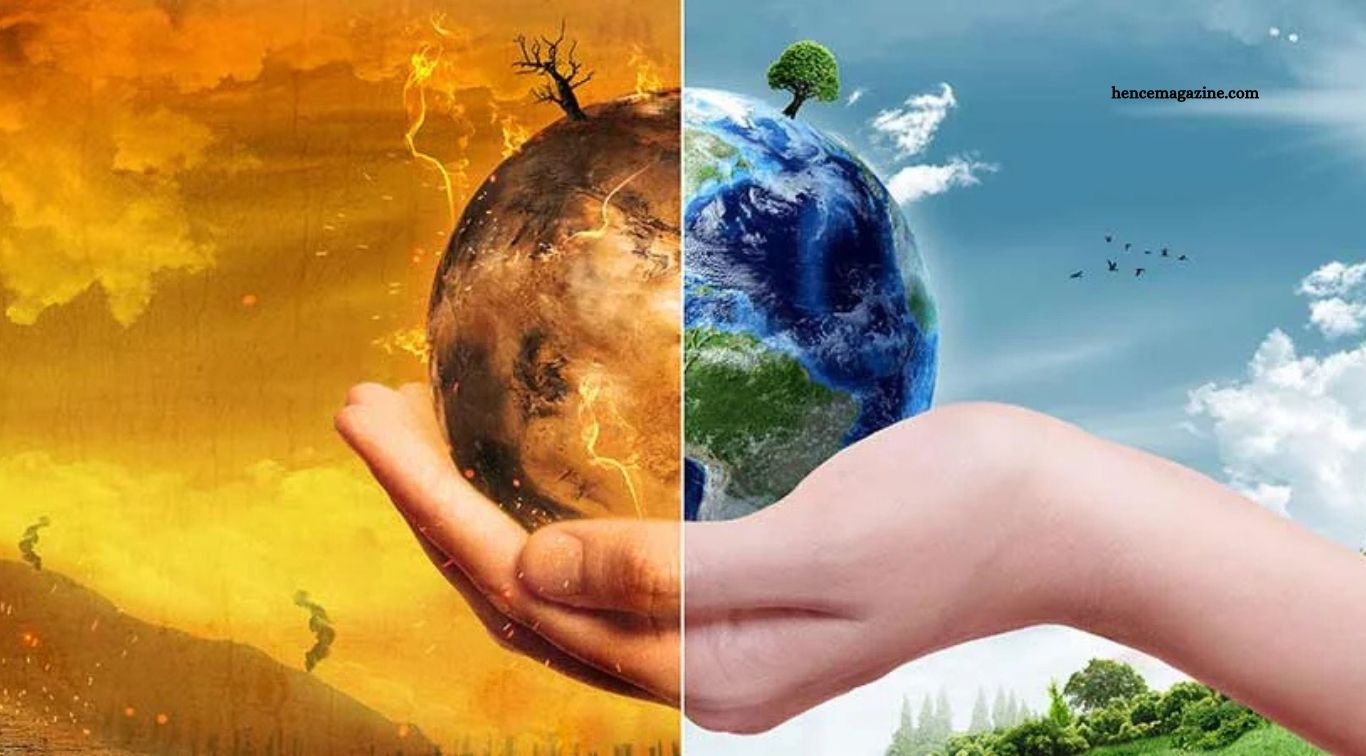
Environmental news and climate change updates help readers understand how the planet is changing and what these changes mean for everyday life. Rising temperatures, extreme weather, deforestation, pollution, and biodiversity loss are affecting communities across the world. At the same time, renewable energy, conservation programs, cleaner transportation, and environmental policies are creating new opportunities to protect natural resources. Following reliable environmental news makes it easier to understand these developments and recognize the actions needed to support a healthier planet.
Climate change is no longer only a subject for scientists and policymakers. It influences agriculture, water supplies, public health, energy systems, and economic planning. Recent United Nations reporting continues to warn that global climate commitments are not sufficient to meet international temperature goals, highlighting the need for faster emissions reductions and stronger adaptation measures. UN climate reports provide useful information about current challenges, scientific findings, and possible solutions. This article explores major environmental issues, important climate trends, and practical ways individuals and communities can contribute to positive change.
Read More: Latest Economic Trends Explained for Beginners
Latest Climate Change News and Global Developments
Climate change remains a major international concern as governments, scientists, businesses, and communities work to reduce greenhouse gas emissions. Recent climate assessments have emphasized that existing national commitments are insufficient to keep global warming within the most ambitious targets of the Paris Agreement. The United Nations Environment Programme has warned that the world is likely to exceed the 1.5°C warming threshold in the coming years, making stronger climate action increasingly important. Read the latest UNEP climate assessment.
Environmental news also highlights the gap between climate promises and practical implementation. Countries are investing in renewable energy and cleaner technologies, but fossil fuel use, land degradation, and rising energy demand continue to create challenges. International climate negotiations focus on emissions reductions, climate finance, adaptation, and cooperation between developed and developing nations. Following these developments helps readers understand how policy decisions can affect energy prices, environmental protection, employment, and long-term climate resilience.
Rising Global Temperatures and Extreme Weather
Global temperatures have increased significantly compared with pre-industrial levels, largely because human activities release greenhouse gases into the atmosphere. Burning coal, oil, and natural gas increases carbon dioxide emissions, while agriculture, waste management, and fossil fuel operations release methane and other climate pollutants. These gases trap heat and alter the climate system. Scientific evidence compiled by NASA documents rising temperatures, shrinking ice sheets, sea-level rise, and other indicators of a warming planet.
A warmer climate can increase the likelihood or intensity of certain extreme weather events, although the influence varies by event and location. Heatwaves can threaten health and reduce worker productivity, while heavy rainfall may increase flood risks. Some regions face longer periods of drought, and wildfire conditions can worsen when high temperatures combine with dry vegetation and strong winds. Understanding local weather warnings and long-term climate trends helps households, businesses, and authorities prepare for changing environmental risks.
Renewable Energy and Clean Technology Updates
Renewable energy is an important part of efforts to reduce emissions and limit dependence on fossil fuels. Solar panels, wind turbines, hydropower, and other low-carbon technologies can generate electricity with substantially lower operational greenhouse gas emissions than conventional fossil fuel power plants. Improvements in energy storage, power grids, and system management are helping integrate variable renewable sources into electricity networks. These developments can also create opportunities for new industries, technical training, and employment.
Clean technology extends beyond electricity generation. Heat pumps, energy-efficient appliances, electric vehicles, and modern building systems can reduce energy consumption and improve air quality when supported by suitable infrastructure and cleaner electricity. However, the benefits depend on affordability, reliable supply chains, responsible mineral sourcing, and effective planning. Environmental reporting increasingly examines not only how quickly clean technologies are adopted but also whether communities can access them fairly and sustainably.
Air Pollution and Its Impact on Human Health
Air pollution remains a serious environmental and public health problem in many cities and industrial regions. Vehicle exhaust, industrial emissions, power generation, construction dust, agricultural burning, and household fuel use can release harmful pollutants into the atmosphere. Fine particulate matter and ground-level ozone are particularly concerning because they can affect respiratory and cardiovascular health. Children, older adults, outdoor workers, and people with existing health conditions may face greater risks during periods of poor air quality.
Environmental news often reports pollution levels, smog episodes, and government measures intended to improve air quality. Useful responses include cleaner public transportation, industrial emission controls, better waste management, expanded green spaces, and access to reliable air-quality information. Individuals can also reduce exposure by checking local air-quality alerts and limiting strenuous outdoor activity during severe pollution events. Long-term progress requires coordinated action from governments, businesses, and communities rather than relying only on individual behavior.
Deforestation and the Protection of Forests
Forests support biodiversity, store carbon, protect soil, regulate water cycles, and provide livelihoods for millions of people. Deforestation occurs when forests are cleared or permanently converted for agriculture, mining, infrastructure, or other land uses. Forest degradation can also occur when ecosystems are damaged without being completely removed. Losing forest cover releases stored carbon, reduces wildlife habitat, and can increase erosion and the risk of local flooding.
Environmental protection efforts include restoring degraded land, improving forest monitoring, preventing illegal logging, and supporting sustainable agricultural practices. Governments and conservation organizations may use satellite imagery to identify forest loss and track changes over time. Consumers can contribute by reducing unnecessary waste, choosing responsibly sourced products where reliable certification exists, and supporting credible conservation initiatives. Protecting forests requires balancing environmental goals with the needs and rights of communities that depend on forest resources.
Ocean Pollution and Marine Conservation
Oceans regulate the global climate, absorb heat, support marine biodiversity, and provide food and livelihoods for coastal communities. Yet marine ecosystems face pressure from plastic waste, chemical pollution, overfishing, habitat destruction, and rising ocean temperatures. Plastic debris can injure marine animals, while discarded fishing equipment may continue trapping wildlife. Pollution carried by rivers and stormwater systems can also affect beaches, coral reefs, and coastal habitats.
Marine conservation efforts include reducing single-use plastics, improving waste collection, protecting sensitive habitats, and establishing sustainable fishing practices. Coral reef restoration and marine protected areas can support biodiversity when they are properly managed and monitored. Individuals can help by reducing disposable plastic use, disposing of waste responsibly, and supporting community cleanups. Lasting improvements also require better product design, effective waste infrastructure, enforcement of environmental regulations, and international cooperation.
Biodiversity Loss and Wildlife Conservation
Biodiversity includes the variety of plants, animals, microorganisms, and ecosystems that sustain life on Earth. Healthy ecosystems support pollination, soil fertility, clean water, food production, and natural pest control. However, habitat loss, pollution, climate change, invasive species, and unsustainable exploitation are placing many species under pressure. When populations decline or species disappear, ecosystems may become less resilient to environmental changes and other disturbances.
Wildlife conservation programs aim to protect habitats, reduce illegal wildlife trade, restore damaged ecosystems, and support threatened species. Conservation measures are often more effective when local communities participate in decisions and receive sustainable economic opportunities. Individuals can support biodiversity by planting suitable native species, avoiding products linked to illegal wildlife trade, and keeping natural habitats free from litter. Protecting biodiversity is not only about saving individual species; it also helps preserve the ecological systems that people depend on.
Climate Change and Its Effects on Agriculture
Agriculture depends on stable weather patterns, suitable temperatures, healthy soil, and reliable water supplies. Climate change can disrupt these conditions through heat stress, changing rainfall, drought, flooding, and shifting pest patterns. Some crops may experience lower yields under extreme heat, while livestock can suffer from heat stress and reduced water availability. The effects differ by crop, location, farming method, and the ability of farmers to adapt.
Farmers and agricultural authorities can respond through improved irrigation efficiency, soil conservation, drought-tolerant crop varieties, diversified planting, and better weather information. Practices such as crop rotation, mulching, and maintaining soil organic matter can help protect soil health and conserve moisture. Early-warning systems also allow farmers to prepare for extreme weather and adjust planting schedules where practical. Supporting climate-resilient agriculture is essential for protecting food supplies and rural livelihoods.
Environmental Challenges in Pakistan
Pakistan faces several environmental pressures, including extreme heat, water stress, air pollution, land degradation, and vulnerability to floods. The effects vary across provinces and communities, but environmental risks can influence agriculture, public health, infrastructure, and household incomes. Floods can damage homes, roads, crops, and essential services, while heatwaves and water shortages create additional challenges for cities and rural areas. Climate resilience is particularly important where communities have limited resources to recover from disasters.
Practical responses include improving flood forecasting, maintaining drainage systems, protecting watersheds, planting suitable native trees, reducing waste burning, and using water more efficiently. Cities can also benefit from better public transport, cleaner energy, improved building design, and stronger air-quality monitoring. Environmental solutions need consistent funding, reliable data, and community participation. Following credible updates from national authorities, scientific institutions, and international organizations can help readers understand risks and identify effective local responses.
Government Policies and International Climate Agreements
Government policies shape how countries respond to environmental problems. Regulations can limit pollution, protect forests, improve waste management, encourage energy efficiency, and establish standards for industrial activities. Climate policies may also include renewable energy targets, transport reforms, emissions reporting, and support for communities affected by extreme weather. Their success depends on clear implementation plans, adequate funding, transparent monitoring, and effective enforcement.
International agreements provide a framework for cooperation because climate change crosses national borders. The Paris Agreement aims to strengthen the global response to climate change, including efforts to limit temperature increases and improve adaptation. International climate discussions also address financial assistance, technology sharing, and support for countries facing significant climate risks. Readers can follow updates through the United Nations climate change news page, which publishes announcements, policy developments, and information about international negotiations.
How Individuals Can Help Protect the Environment
Individual actions can contribute to environmental progress when they are practical and sustained. Reducing unnecessary energy use, repairing products, reusing materials, avoiding food waste, and choosing public transport where available can lower resource consumption. Households can also conserve water, separate recyclable materials where collection systems exist, and select durable products instead of frequently replacing disposable items. These actions may reduce environmental pressure while helping families manage some everyday expenses.
Individual choices work best alongside broader changes in infrastructure, industry, and public policy. Communities can organize cleanups, support tree-planting projects suited to local ecosystems, report illegal dumping, and encourage schools or workplaces to adopt more sustainable practices. Before joining an environmental campaign, check whether the organization has clear goals and credible reporting. Combining personal habits with community participation and informed civic engagement can help create lasting environmental improvements.
How to Follow Reliable Environmental News
Reliable environmental reporting helps readers distinguish scientific evidence from speculation, exaggerated claims, and misleading headlines. Useful sources include established scientific institutions, official climate agencies, peer-reviewed research, and reputable news organizations that explain where their information comes from. Readers should check publication dates, examine the underlying evidence, and compare important claims across independent sources. This is especially important during disasters, when early reports may contain incomplete or changing information.
It is also helpful to distinguish short-term weather forecasts from long-term climate trends. A cold day does not disprove global warming, just as one heatwave alone cannot explain every aspect of climate change. Strong reporting describes uncertainty honestly, identifies the difference between correlation and causation, and explains what researchers can and cannot conclude. Following trustworthy sources makes environmental updates more useful for personal decisions, community planning, and understanding public policy.
Frequently Asked Questions
What is environmental news?
Environmental news covers developments involving climate change, pollution, wildlife, forests, oceans, energy, conservation, and environmental policy.
What are the main causes of climate change?
Current global warming is primarily driven by human activities that release greenhouse gases, especially burning fossil fuels and changing land use.
Where can I find reliable climate change updates?
Follow scientific organizations, national climate agencies, the United Nations, NASA, and reputable news outlets that cite credible evidence.
How does climate change affect everyday life?
It can influence heat exposure, food production, water availability, public health, energy demand, and the frequency or severity of some extreme weather events.
What are the latest environmental concerns?
Major concerns include rising temperatures, extreme weather, air pollution, deforestation, biodiversity loss, plastic waste, and pressure on freshwater resources.
How can I help protect the environment?
Reduce waste, conserve energy and water, use sustainable transport when practical, and support credible local conservation efforts.
Conclusion
Environmental news and climate change updates provide essential insight into the challenges affecting the planet. Rising temperatures, extreme weather, pollution, deforestation, ocean degradation, and biodiversity loss require attention from governments, businesses, scientists, and communities. At the same time, renewable energy, conservation programs, climate-resilient agriculture, and cleaner technologies offer practical ways to reduce environmental harm and prepare for future risks.

1 Comment
Pingback: Technology News That Is Changing the Digital World - Hence Magazine