

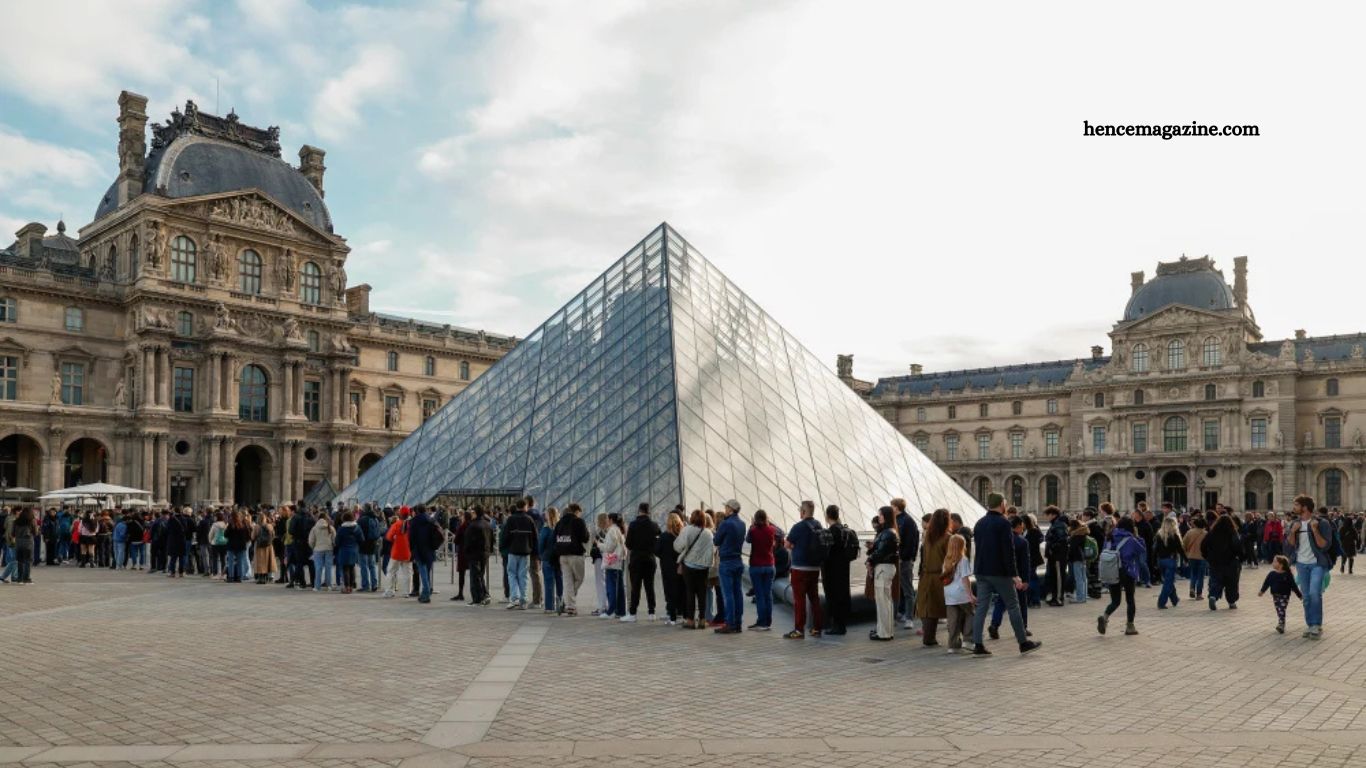
The Louvre Museum in Paris has suffered a significant setback after flooding caused by a burst pipe damaged hundreds of works in its Egyptian antiquities library. Between 300 and 400 items, including rare books, periodicals, and archaeology journals, were affected. Some of these works date back to the late 19th century and are essential resources for Egyptologists and researchers.
Museum staff are undertaking careful restoration, employing specialized drying and dehumidification techniques to preserve the damaged materials. The affected area is also part of a planned major renovation of the museum’s ventilation and heating systems. This incident comes on the heels of a high-profile jewelry theft, adding to the Louvre’s recent challenges in safeguarding its invaluable collections.
Read More: Violent Threats Escalate as Indiana Republicans Face Pressure from Trump on Redistricting
Flooding in the Egyptian Antiquities Department
The incident occurred last week in one of the Egyptian antiquities libraries. According to Francis Steinbock, the Louvre’s deputy general administrator, between 300 and 400 works were affected in one of the three rooms in the department.
Steinbock explained that some of the damaged items were books, some dating back to the late 19th century. “Some of the books were wet, and we are carefully drying them, using dehumidification techniques page by page, along with specialized conservation methods,” he said. The affected works also include visual periodicals and archaeology journals, which are regularly consulted by Egyptologists, researchers, and museum staff.
A full assessment of the damage is still underway. Steinbock noted that the area impacted by the pipe break is slated for major renovations of its ventilation and heating system, scheduled to begin in September.
Louvre Faces Another Setback
This flooding represents the latest challenge for the world’s most visited museum. Less than two months ago, the Louvre made headlines due to a daring jewelry heist. On October 19, four thieves stole eight of France’s crown jewels in under eight minutes, with the estimated value of the stolen items totaling 88 million euros ($102 million).
Authorities continue to pursue leads in the case. Four men believed to be involved in the robbery have been arrested, and one woman was also detained on preliminary charges of complicity, though she denies involvement. The arrested individuals face charges including robbery by an organized gang and criminal conspiracy. DNA traces were reportedly found at the scene or on items linked to the theft.
Frequently Asked Questions
What happened at the Louvre Museum?
A pipe burst in one of the Egyptian antiquities libraries, causing flooding that damaged hundreds of works, including books, periodicals, and archaeology journals.
How many works were affected?
Between 300 and 400 works were affected, though a complete assessment is still underway.
What types of works were damaged?
The damaged items include historical books (some from the late 19th century), visual periodicals, and archaeology journals used by researchers, Egyptologists, and museum staff.
What is being done to restore the damaged works?
Conservators are carefully drying wet books using dehumidification techniques page by page. Specialized methods and materials, such as Buffard paper, are being employed to preserve the affected works.
Was this area scheduled for renovations?
Yes, the affected section is part of the museum spaces set for major renovations to the ventilation and heating system starting in September.
Is this the first major incident at the Louvre recently?
No. In October, the Louvre suffered a high-profile jewelry heist in which eight crown jewels were stolen, valued at 88 million euros ($102 million). Arrests have been made in connection with the theft, and investigations continue.
Conclusion
The recent flooding at the Louvre underscores the ongoing challenges faced by even the world’s most prestigious cultural institutions. While hundreds of invaluable works have been affected, museum staff are actively working to preserve and restore the damaged items using specialized conservation methods. The incident also highlights the importance of infrastructure maintenance and planned renovations to protect historical collections.
