

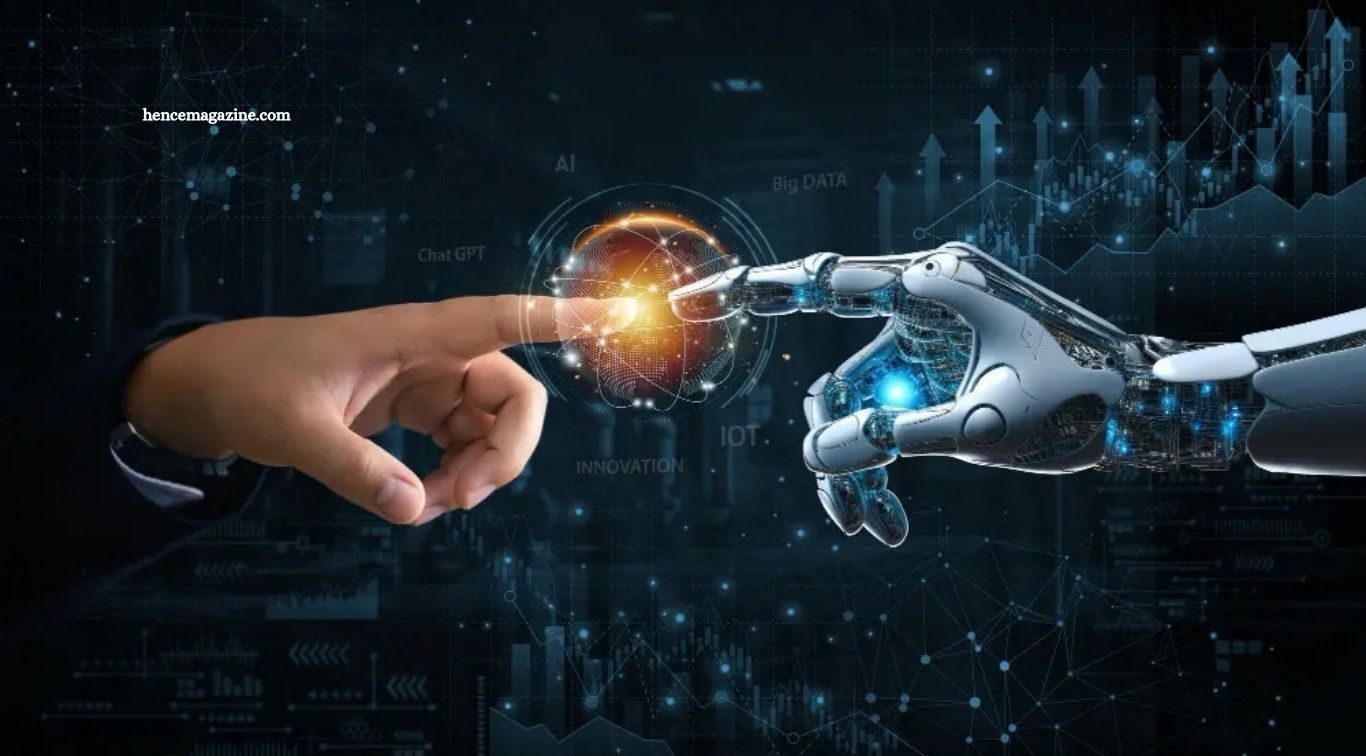
Emerging technologies are transforming how people live, work, communicate, and solve everyday problems. From artificial intelligence and robotics to quantum computing and biotechnology, technological innovation is creating new opportunities across industries. The next decade will bring significant changes to healthcare, education, transportation, business, and daily life.
Understanding emerging technologies can help individuals and businesses prepare for future opportunities. As digital tools become more advanced, organizations will need to adapt, develop new skills, and explore innovative solutions. This article explores the emerging technologies that are likely to shape the next decade and explains how they could influence our future.
Read More: Artificial Intelligence vs Human Intelligence: Key Differences
What Are Emerging Technologies?
Emerging technologies are new or rapidly developing innovations with the potential to change existing systems, industries, and everyday activities. These technologies may still be evolving, but their applications are expanding as research improves and adoption increases.
Examples include artificial intelligence, extended reality, autonomous vehicles, advanced robotics, and next-generation energy systems. Some technologies are already widely used, while others require further research, investment, and infrastructure before reaching their full potential.
Artificial Intelligence and Machine Learning
Artificial intelligence (AI) is one of the most influential technologies shaping the next decade. AI systems can analyze large amounts of data, recognize patterns, generate content, and automate tasks that traditionally require human effort. Machine learning helps these systems improve their performance by learning from data and experience.
In the coming years, AI will continue influencing customer service, healthcare, education, software development, and business operations. Intelligent assistants and automated tools could help people work more efficiently, although privacy, reliability, employment changes, and responsible AI development will remain important concerns.
Robotics and Intelligent Automation
Robotics combines mechanical engineering, sensors, software, and AI to create machines capable of performing physical tasks. Modern robots can assist with manufacturing, warehouse operations, agriculture, medical procedures, and other activities that require precision or repetitive movement.
During the next decade, robots may become more adaptable and easier to deploy in different environments. Collaborative robots could help employees perform demanding tasks, while service robots may support hospitals, businesses, and households. Human supervision and safety standards will remain essential as robotic systems become more capable.
Quantum Computing
Quantum computing uses principles of quantum physics to process information in ways that differ from traditional computing. Although practical applications remain limited, researchers are exploring its potential to solve certain complex problems that are difficult for conventional computers.
Over the next decade, quantum computing could contribute to scientific research, materials discovery, chemical simulations, and selected optimization problems. Progress will depend on improvements in hardware, error correction, and system reliability. Quantum computers are not expected to replace ordinary computers for most everyday tasks.
Biotechnology and Genetic Engineering
Biotechnology applies biological processes and scientific knowledge to develop products, treatments, and innovative solutions. Advances in genetic engineering, gene editing, and molecular research are helping scientists investigate diseases and understand how living organisms function.
In the coming decade, biotechnology could support more personalized treatments, faster diagnostic methods, improved agricultural crops, and the development of new medicines. However, genetic technologies also raise ethical, safety, and regulatory questions. Responsible research and careful evaluation will be necessary to ensure these innovations benefit society.
Extended Reality: Virtual Reality and Augmented Reality
Extended reality includes virtual reality (VR), augmented reality (AR), and mixed reality (MR). These technologies combine digital content with immersive environments or real-world surroundings, creating new ways to learn, work, communicate, and experience information.
Future applications could include virtual training, interactive classrooms, remote collaboration, product visualization, and immersive entertainment. As devices become more comfortable and software improves, extended reality may become more practical for everyday use. Cost, accessibility, privacy, and user comfort will influence how widely these technologies are adopted.
Internet of Things and Smart Devices
The Internet of Things (IoT) connects physical devices to digital networks, allowing them to collect data, exchange information, and respond to changing conditions. Smart thermostats, connected appliances, industrial sensors, and wearable devices are examples of IoT applications already in use.
Over the next decade, connected systems could make homes more energy-efficient, improve industrial maintenance, and help cities manage traffic and public services. However, the growing number of connected devices will increase the importance of cybersecurity, secure software updates, and responsible data management.
Autonomous Vehicles and Smart Transportation
Autonomous vehicle technology uses sensors, cameras, software, and AI to help vehicles understand their surroundings and navigate roads. Driver-assistance features are already available in many vehicles, while fully autonomous driving remains limited by technical, legal, and environmental challenges.
Future transportation systems may combine connected vehicles, smart traffic signals, electric mobility, and improved route planning. These developments could reduce some transportation inefficiencies and improve accessibility. Widespread adoption will depend on safety testing, reliable infrastructure, public trust, and clear regulations.
Renewable Energy and Advanced Battery Technology
Renewable energy technologies, including solar and wind power, are becoming increasingly important as countries seek cleaner and more sustainable energy sources. Improvements in energy generation, storage, and grid management can help make renewable electricity more reliable.
Advanced batteries, including research into solid-state designs, could improve energy storage for electric vehicles and stationary power systems. Over the next decade, progress in battery performance, recycling, and manufacturing may support broader electrification. Costs, material availability, and infrastructure will remain important factors in the transition.
5G, 6G, and Next-Generation Connectivity
Modern communication networks allow people, businesses, and connected devices to exchange information rapidly. The expansion of 5G is supporting applications that require high data speeds, while research into 6G aims to explore future improvements in connectivity, sensing, and network capabilities.
Next-generation networks could support smart factories, connected transportation, immersive digital experiences, and more responsive communication systems. However, 6G remains under development, and its real-world capabilities will depend on future standards, infrastructure investment, and practical testing.
Cybersecurity and Privacy Technologies
As more activities move online, cybersecurity is becoming essential for individuals, businesses, governments, and critical infrastructure. Emerging security technologies use AI-assisted monitoring, automated threat detection, stronger authentication, and advanced encryption methods to identify and prevent digital attacks.
Over the next decade, cybersecurity will become even more important as organizations adopt cloud computing, connected devices, and AI-powered systems. Privacy-enhancing technologies may also help protect sensitive information while allowing useful data analysis. Effective security will require updated systems, trained professionals, and responsible handling of personal data.
Edge Computing and Cloud Technology
Cloud computing allows users and organizations to access computing resources, software, and storage over the internet. Edge computing processes data closer to where it is generated, reducing the need to send every piece of information to a distant data center.
Together, these technologies can support faster applications, connected devices, industrial automation, and real-time analysis. In the coming decade, businesses may increasingly combine cloud platforms with edge systems to improve performance and manage costs. Security, reliability, and efficient infrastructure will remain key priorities.
3D Printing and Advanced Manufacturing
Three-dimensional printing creates physical objects from digital designs by building materials layer by layer. The technology is already used for prototypes, customized products, medical models, aerospace components, and specialized manufacturing applications.
Future developments could make 3D printing more useful for producing complex components, customized medical devices, and selected construction materials. Advanced manufacturing may also combine robotics, AI, and digital design to improve production efficiency. Material limitations, quality control, and production costs will influence its wider adoption.
How Emerging Technologies Will Change Everyday Life
Emerging technologies will influence how people manage daily activities, access services, and communicate with others. AI assistants may simplify routine tasks, smart devices may improve energy management, and digital healthcare tools may make some services easier to access. Better connectivity could also support remote work and online learning.
However, these changes will bring challenges alongside benefits. Workers may need to learn new skills, consumers will need to protect personal information, and communities will need fair access to digital services. The overall impact will depend on how responsibly technologies are designed, introduced, and used.
Challenges of Emerging Technologies
Despite their potential, emerging technologies face challenges involving cost, security, regulation, and public trust. Advanced systems can require substantial investment, specialized expertise, and reliable infrastructure. Poor implementation may create technical failures, privacy risks, or unequal access to important services.
Another challenge is ensuring that technological progress benefits society broadly. Governments, researchers, businesses, and communities must work together to establish appropriate safeguards, improve digital literacy, and address ethical concerns. Responsible innovation can help reduce risks while allowing useful technologies to develop.
Frequently Asked Questions
Which emerging technology will have the biggest impact?
Artificial intelligence is likely to influence many industries, although its overall impact will depend on responsible development and adoption.
Will emerging technologies create new jobs?
Yes. They may create new roles while changing or automating existing jobs, increasing demand for updated skills.
How can businesses prepare for future technologies?
Businesses can invest in digital skills, evaluate useful innovations, strengthen cybersecurity, and develop adaptable technology strategies.
Is quantum computing ready for everyday use?
Not yet. Quantum computing remains under development and currently serves specialized research and experimental applications.
Why is cybersecurity important for future technologies?
Cybersecurity helps protect personal information, business systems, connected devices, and essential digital infrastructure from threats.
Conclusion
Emerging technologies will play a major role in shaping the next decade, influencing industries, communities, and everyday experiences. Artificial intelligence, robotics, biotechnology, renewable energy, and advanced connectivity offer opportunities to improve productivity, solve complex problems, and develop new services. Preparing for this technological future requires continuous learning, responsible innovation, and careful attention to security and ethics.

1 Comment
Pingback: The Impact of Automation on Modern Businesses - Hence Magazine