

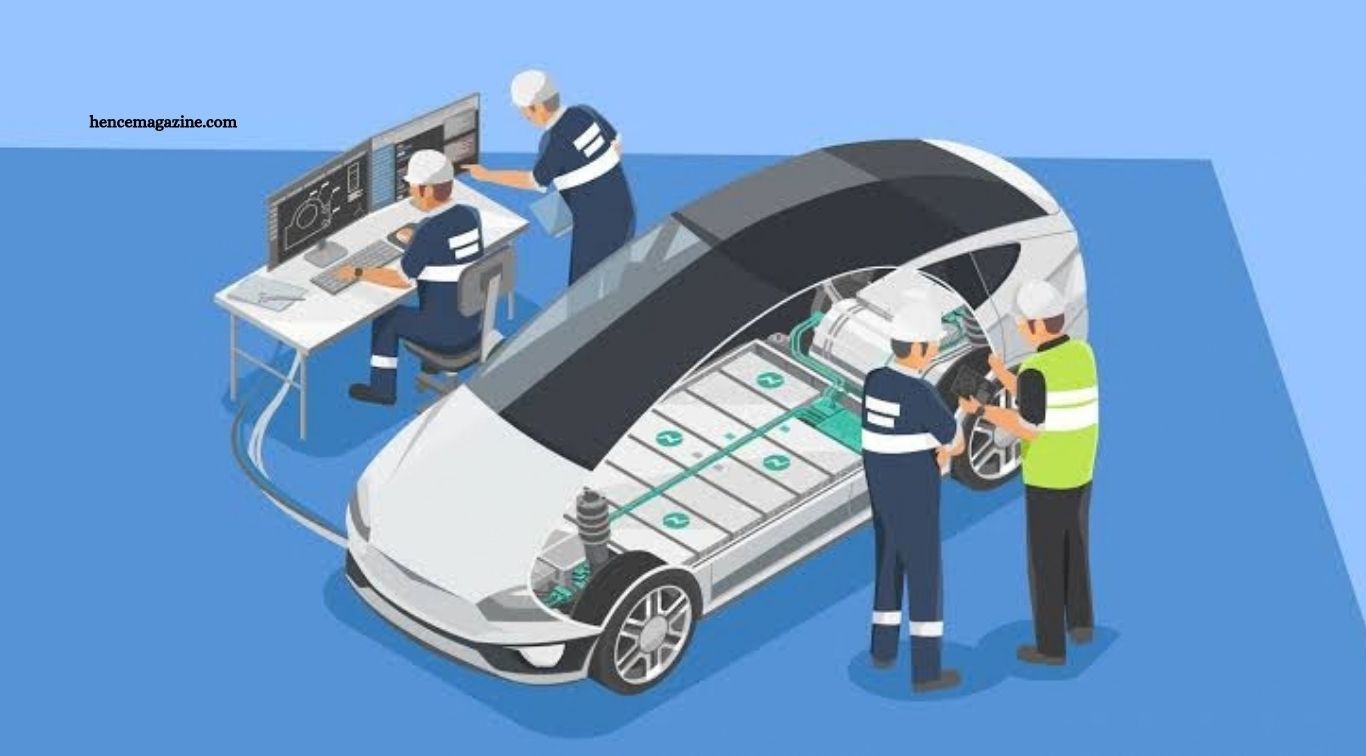
Transportation is changing rapidly as electric vehicles, artificial intelligence, connected technology, and cleaner energy become more common. Traditional petrol and diesel vehicles are slowly being replaced by smarter transportation options that focus on efficiency, sustainability, and better user experiences.
Electric vehicles are no longer limited to a small group of environmentally conscious drivers. They are becoming part of a wider smart mobility system that connects vehicles, roads, charging networks, public transport, and digital platforms. This transformation could reshape how people travel in cities and across longer distances.
Read More: Common Technology Mistakes That Put Your Privacy at Risk
Electric Vehicles Are Becoming More Popular
Electric vehicles have developed significantly during recent years. Earlier EV models often offered limited driving range, slow charging speeds, and higher prices. Modern electric cars now provide better battery efficiency, improved performance, longer driving ranges, and advanced technology.
More manufacturers are also introducing electric cars across different price ranges and categories. Consumers can now find electric hatchbacks, SUVs, luxury vehicles, commercial vans, and performance cars. Greater competition is helping make electric mobility more practical and accessible.
Battery Technology Will Drive EV Growth
Battery technology remains one of the most important parts of the electric vehicle industry. Better batteries can increase driving range, improve safety, reduce charging time, and lower the overall cost of electric vehicles.
Companies are investing heavily in advanced battery chemistry, solid-state batteries, improved lithium-ion cells, and alternative materials. Future batteries may become lighter, more durable, and more efficient, helping electric vehicles compete more strongly with conventional cars.
Faster Charging Will Improve Convenience
Charging speed has traditionally been one of the biggest concerns for electric vehicle owners. Drivers often worry about spending too much time at charging stations, especially during long journeys or when traveling through areas with limited infrastructure.
New fast-charging technology is gradually reducing this problem. Modern charging systems can provide significant driving range in a relatively short period. As more fast chargers are installed on highways, in shopping centers, workplaces, and residential areas, EV ownership will become much easier.
Smart Mobility Goes Beyond Electric Cars
Smart mobility is not limited to electric vehicles. It includes connected public transport, ride-sharing services, electric scooters, bicycles, autonomous vehicles, and digital platforms that help people choose the best transportation option.
A smart mobility system can combine several transportation methods into one journey. For example, a traveler may use an electric bus, train, shared car, and electric scooter while managing the entire journey through a single mobile application.
Artificial Intelligence Will Transform Driving
Artificial intelligence is already becoming an important part of modern vehicles. Many cars now include driver-assistance features such as lane guidance, automatic emergency braking, adaptive cruise control, parking assistance, and traffic monitoring.
Future AI systems could make vehicles even more intelligent. Cars may become better at understanding traffic conditions, recognizing hazards, selecting efficient routes, and assisting drivers in difficult situations. Autonomous driving technology could also play a larger role in taxis, delivery vehicles, and public transport.
Connected Vehicles Will Communicate With Roads
Connected vehicles can exchange information with other cars, traffic signals, charging stations, and road infrastructure. This communication could help drivers receive more accurate information about traffic, accidents, parking spaces, and road conditions.
Cities may also use connected transportation systems to improve traffic management. Smart traffic lights could adjust automatically according to vehicle movement, while navigation systems could redirect drivers away from congested roads and reduce unnecessary delays.
Vehicle-to-Grid Technology Could Support Energy Systems
Electric vehicles may eventually become part of the electricity network through vehicle-to-grid technology. This system allows compatible electric cars to store electricity and return some energy to the grid when demand increases.
Vehicle-to-grid technology could be especially useful in areas that depend heavily on renewable energy. Electric cars could charge when solar or wind energy production is high and supply stored electricity during periods of increased demand.
Public Transportation Will Become Smarter
Public transportation will remain an essential part of future mobility. Electric buses, trains, and shared transport services could help cities reduce pollution, traffic congestion, and dependence on private vehicles.
Digital technology can also improve the public transport experience. Passengers may receive real-time arrival information, use digital tickets, and plan complete journeys through mobile applications. Intelligent scheduling could also help transport operators provide services according to actual passenger demand.
Autonomous Vehicles Could Change Transportation
Autonomous vehicles have the potential to transform how people and goods move. Self-driving technology could eventually reduce human driving errors, improve traffic efficiency, and make transportation more accessible to people who cannot drive.
However, fully autonomous transportation still faces technical, legal, and safety challenges. Governments and technology companies need to create clear standards before driverless vehicles can become common across all roads and cities.
Smart Cities Will Improve Urban Mobility
Smart cities will use data and connected technology to improve transportation systems. Sensors, cameras, traffic monitoring platforms, and AI-powered systems could provide valuable information about how people and vehicles move through urban areas.
City planners could use this information to reduce congestion, improve road safety, and design better public transport networks. Smart mobility could also encourage people to use cleaner transportation options instead of relying entirely on private cars.
Renewable Energy Will Strengthen Electric Mobility
Electric vehicles provide greater environmental benefits when they are charged using clean energy. Renewable power sources such as solar, wind, and hydroelectric energy can reduce the emissions associated with electricity generation.
The connection between renewable energy and electric transportation is expected to become stronger. Homes equipped with solar panels may charge electric vehicles during the day, while smart charging systems can choose periods when renewable electricity is most available.
Electric Vehicles Could Become More Affordable
Price remains one of the main barriers preventing some consumers from buying electric vehicles. Batteries represent a significant portion of EV production costs, although technological improvements and larger manufacturing volumes continue to reduce expenses.
As battery production becomes more efficient and competition increases, more affordable electric vehicles are likely to enter the market. Lower purchase prices combined with reduced fuel and maintenance costs could make EVs attractive to a wider range of drivers.
Cybersecurity Will Become More Important
Modern electric vehicles depend heavily on software, internet connectivity, sensors, and digital systems. These technologies provide useful features, but they can also create potential cybersecurity risks.
Automakers will need to protect vehicles against unauthorized access, data theft, and software attacks. Strong security systems and regular software updates will become increasingly important as vehicles become more connected and digitally controlled.
Governments Will Influence EV Adoption
Government policies can significantly affect how quickly electric vehicles and smart mobility systems develop. Financial incentives, charging infrastructure investment, emissions regulations, and fuel policies can encourage consumers to consider electric transportation.
Governments also need to support electricity networks and urban infrastructure. Without reliable charging stations, renewable energy development, and clear transportation regulations, EV growth may remain slower in certain regions.
Challenges Facing Electric Vehicles and Smart Mobility
Despite rapid progress, several challenges still need solutions. Charging infrastructure remains limited in some areas, battery materials can be expensive, and electricity networks may require upgrades to support large numbers of electric vehicles.
Consumer awareness also varies between markets. Some drivers remain concerned about battery life, charging availability, resale value, and long-distance travel. Addressing these concerns will be necessary for widespread adoption.
The Future of Transportation Will Be More Connected
Transportation is gradually moving toward a system where vehicles, roads, infrastructure, and users communicate continuously. Electric vehicles will become part of a larger digital environment rather than operating independently.
Smart mobility platforms could eventually help users compare travel time, cost, traffic, environmental impact, and transportation availability. This could make traveling more convenient while helping cities use their transportation networks more efficiently.
Frequently Asked Questions
What is the future of electric vehicles?
EVs will become more affordable, efficient, connected, and widely available.
What is smart mobility?
Smart mobility uses technology to make transportation cleaner, faster, safer, and more efficient.
Will electric vehicles replace petrol cars?
EVs are expected to replace many petrol and diesel vehicles gradually.
How will AI improve electric vehicles?
AI can improve navigation, safety, traffic management, parking, and driver assistance.
Why is EV charging infrastructure important?
More charging stations make electric vehicles easier and more convenient to use.
Are electric vehicles better for the environment?
Yes, especially when they are charged using renewable or low-carbon electricity.
Conclusion
The future of electric vehicles and smart mobility represents a major transformation in the global transportation industry. Electric cars, artificial intelligence, faster charging, connected roads, renewable energy, and intelligent public transportation are creating new possibilities for drivers and cities. Important challenges involving cost, infrastructure, security, battery production, and regulations remain. However, continued technological progress could create a transportation system that is cleaner, smarter, safer, and more efficient for people around the world.

1 Comment
Pingback: Top Software Development Trends Every Business Should Watch - Hence Magazine